Best Chemical Peel for Acne Scars in Denver: What Actually Works?
Updated May 2026
Acne scars can feel like a permanent reminder of breakouts you thought were long gone. The good news is that modern treatments, especially a well-chosen chemical peel, can significantly improve skin texture, tone, and clarity. But not all peels are created equal, and not all scars respond the same way.
If you’re in Denver, there’s another factor to consider: the dry climate. Low humidity can affect healing, skin sensitivity, and overall results. So choosing the right treatment and provider matters more than ever.
This guide breaks down what actually works for acne scars, how different peels compare, and when treatments like microneedling, facials, or even fillers might be better options.
What type of acne scars respond best to chemical peels?
Not every acne scar will respond equally to a chemical peel. Understanding your scar type is the first step toward real results.
Best candidates for chemical peels
- Post-inflammatory hyperpigmentation (dark spots)
- Mild textured acne scars
- Shallow rolling scars
- Uneven skin tone and rough texture
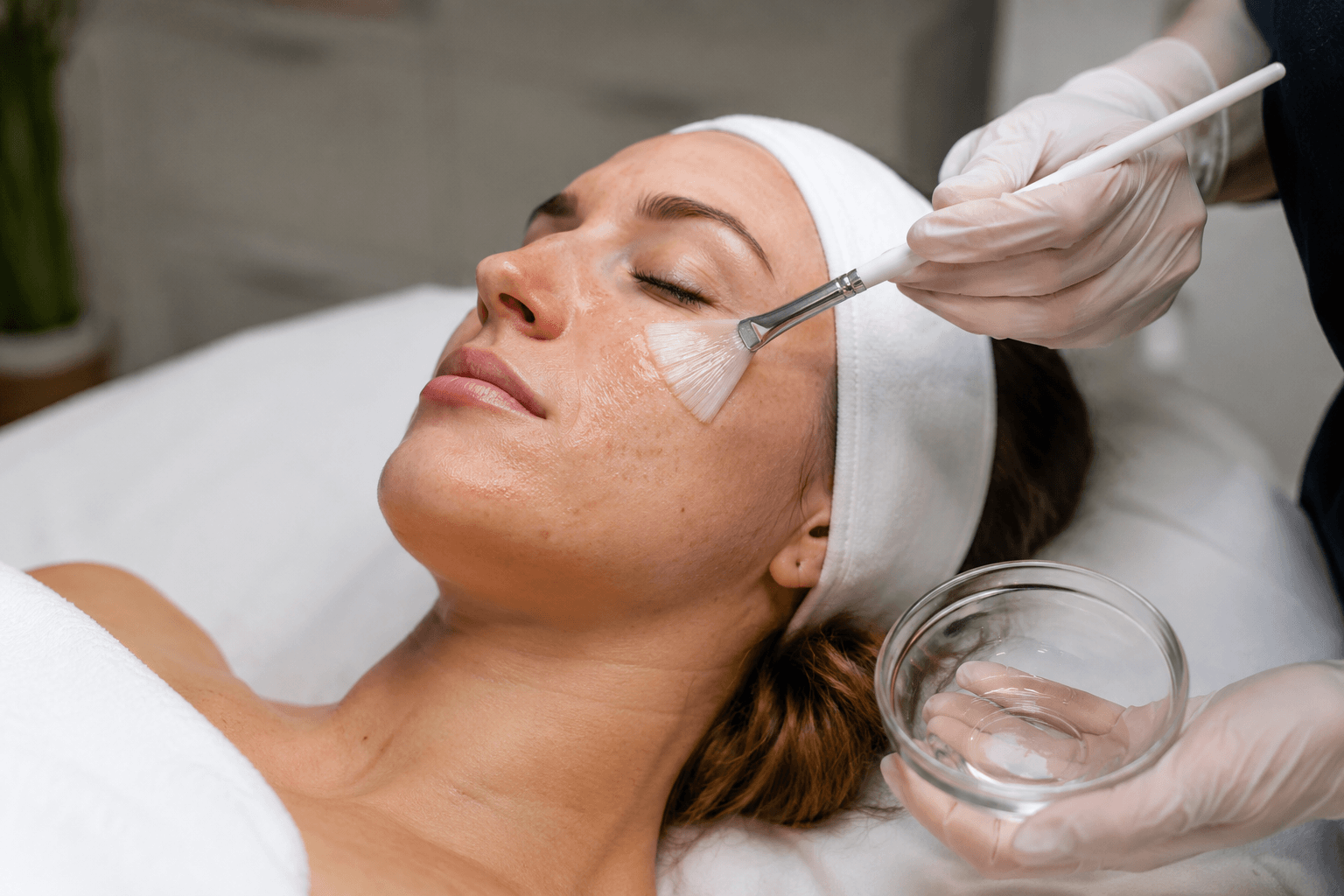
Chemical peels work by exfoliating the top layers of skin and stimulating cell turnover. This helps fade discoloration and smooth minor texture issues.
Less responsive scars
- Deep ice pick scars
- Boxcar scars with sharp edges
- Severe volume loss
For these, combining treatments like microneedling, advanced resurfacing, or even dermal fillers may be more effective.
Is BioRePeel or VI Peel better for acne scars?
Two of the most talked-about options are the VI Peel and BioRePeel, both offered at Eleven11 Spa in Denver. Each has its strengths.
VI Peel
- Medium-depth peel
- Strong for post-inflammatory hyperpigmentation
- Helps soften rolling scars
- Encourages collagen production
The VI Peel is often recommended for clients who want noticeable improvement in both tone and texture with minimal downtime.
BioRePeel
- No-peel or minimal peeling treatment
- Great for sensitive skin and ongoing maintenance
- Targets mild textured acne scars
- Can be combined with microneedling for deeper results
BioRePeel is ideal if you want gradual improvement without visible peeling or if your skin struggles in Denver’s dry climate.
Which one should you choose?
- Choose VI Peel for more aggressive correction
- Choose BioRePeel for gentle, consistent improvement
- Combine treatments for optimal results
A professional consultation will determine what your skin actually needs rather than guessing based on trends.
How many chemical peels do you need for acne scars?
One peel is rarely enough for acne scars. Real transformation happens over a series.
Typical treatment plan
- 3 to 6 sessions spaced 3 to 4 weeks apart
- Maintenance treatments every few months
Your skin needs time to regenerate between sessions. Rushing the process can cause irritation, especially in Denver’s dry environment.
Consistency matters more than intensity when it comes to long-term results.
Can chemical peels make acne scars worse?
This is a common concern, and the answer depends on how the treatment is done.
When things go wrong
- Using a peel that’s too strong
- Poor aftercare
- Sun exposure during healing
- Ignoring skin type or sensitivity
In Denver, the combination of high altitude and low humidity can increase the risk of dryness and irritation if aftercare isn’t followed carefully.
When done correctly
A properly selected chemical peel:
- Improves skin texture
- Reduces discoloration
- Stimulates collagen safely
Choosing an experienced provider is the difference between progress and setbacks.
Is microneedling better than a chemical peel for acne scars?
It’s not about which is better. It’s about which is better for your skin.
Microneedling benefits
- Targets deeper textured acne scars
- Boosts collagen production
- Improves skin firmness and elasticity
Chemical peel benefits
- Brightens skin tone
- Reduces post-inflammatory hyperpigmentation
- Smooths surface texture
Best results often come from combining both
Many clients see the biggest improvement when alternating:
- Chemical peel for tone and clarity
- Microneedling for depth and texture
This combination approach is especially effective for rolling scars and uneven skin.
What should you avoid after a chemical peel?
Aftercare is where many people unintentionally sabotage their results.
Avoid these post-peel mistakes
- Direct sun exposure
- Picking or peeling flaking skin
- Harsh skincare products
- Intense workouts for 24 to 48 hours
What your skin needs instead
- Hydration, especially in Denver’s dry climate
- Gentle skincare
- Daily SPF
Healing properly ensures better results and prevents complications like irritation or pigmentation issues.
Where can you get acne scar treatments in Denver?
If you’re looking for real results, it’s not just about the treatment. It’s about the provider.
At Eleven11 Spa, acne scar treatments are customized based on:
- Skin type
- Scar type
- Lifestyle factors
- Denver-specific environmental conditions
Their offerings include:
- VI Peel
- BioRePeel
- Microneedling
- Advanced facials like Diamond Glow
- Complementary treatments for overall skin health
👉 Explore additional services:
Even if you’re exploring treatments like a lip flip or laser hair removal, maintaining healthy, clear skin enhances overall results.
How Denver’s dry climate affects acne scar healing
This is something many people overlook.
Denver’s climate can:
- Slow down skin healing
- Increase dryness and irritation
- Make post-treatment care more important
That’s why treatments like BioRePeel and hydrating facials are often recommended alongside stronger procedures.
Hydration, barrier repair, and sun protection are essential for optimal results in this environment.
FAQs About Chemical Peels for Acne Scars
Do chemical peels hurt?
Most chemical peel treatments cause mild tingling or warmth. Medium-depth peels like VI Peel may feel more intense, but discomfort is temporary and manageable.
Can I combine chemical peels with Botox or fillers?
Yes. Many clients combine Botox or fillers with skin treatments to address both wrinkles and texture. These are separate concerns but work well together for overall rejuvenation.
Are chemical peels safe for all skin types?
Modern peels like BioRePeel are designed to be safe for a wide range of skin tones. However, proper assessment is essential to avoid complications.
How long does it take to see results?
You may notice brighter skin within a week, but improvement in textured acne scars typically appears after multiple sessions.
Is a facial like Diamond Glow enough for acne scars?
Treatments like Diamond Glow and hydrafacials help maintain skin health and improve mild texture, but deeper scars usually require peels or microneedling.
What’s better for acne scars: chemical peel or laser treatments?
Laser treatments can be effective but are not always necessary. Many clients achieve excellent results with chemical peel and microneedling combinations without the downtime of aggressive lasers.
Clear Skin, But Make It Strategic
The best chemical peel for acne scars isn’t a one-size-fits-all solution. It depends on your scar type, skin condition, and even where you live.
In Denver, where the climate plays a major role in skin health, choosing the right treatment plan is critical. Whether it’s a VI Peel, BioRePeel, or a combination with microneedling, real results come from a customized approach.
If you’re ready to improve acne scars and finally feel confident in your skin again, a professional consultation is the best place to start.