Why Does Skin Start to Sag, and Can It Actually Be Tightened Without Surgery?
Updated August 2026
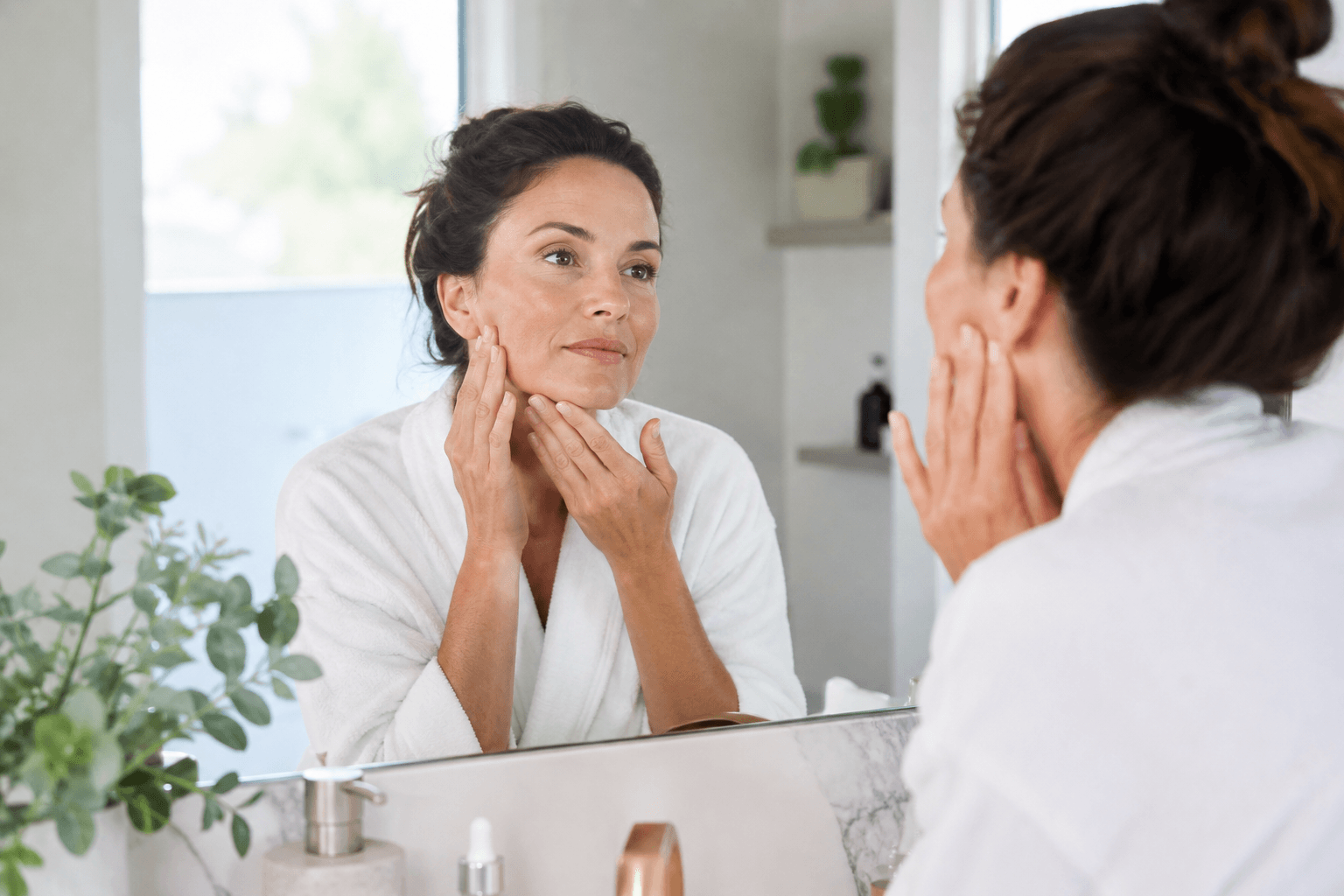
There is a specific moment a lot of clients describe to us. They are looking in a mirror under bright light, maybe tilting their chin down, and they notice something that was not there a year or two ago. Skin along the jawline that used to sit snug against bone now has a little give to it. The area under the eyes looks slightly hollow and crepey. The neck, in particular, seems to have a mind of its own. If this sounds familiar, you are not imagining it, and you are definitely not alone in searching for skin tightening in Denver as a way to address it before considering anything more invasive.
Skin laxity is one of the most common concerns we treat, and it rarely comes from one single cause. Understanding why it happens is actually the first step in figuring out which treatment will help the most, so let us walk through it.
What Actually Causes Skin to Lose Its Firmness?
Is It Just Aging, or Is Something Else Going On?
Aging is part of it, but it is far from the whole story. Your skin's firmness depends heavily on collagen and elastin, two proteins that form a structural support network underneath the surface. Collagen production naturally declines by about one percent per year starting in your mid twenties, and that decline accelerates around menopause for women. But plenty of younger clients deal with laxity too, often from sun exposure, significant weight changes, or genetics that affect how much structural support their skin has to begin with.
Does Colorado Sun Exposure Make Skin Laxity Worse?
It absolutely does. Denver's elevation means UV exposure is stronger here than at sea level, even on cool or overcast days, and that adds up over years of hiking, skiing, and general outdoor living that this city is known for. Ultraviolet radiation breaks down collagen and elastin fibers faster than time alone would, a process called photoaging. This is why someone who has spent decades outdoors in Colorado may notice more sagging and crepiness at the same age as someone from a less sunny climate.
Can Weight Loss or Weight Fluctuation Cause Loose Skin?
Yes, and this is an increasingly common concern we hear, especially with more people using medical weight loss support. When skin has been stretched over time and then loses the volume underneath it relatively quickly, the skin itself does not always have enough elasticity to snap back into place. The result is often loose, crepey skin around the face, neck, and body, even in people who are otherwise at a healthy weight and were not necessarily expecting this side effect.
What Are the Early Signs of Skin Laxity to Watch For?
Before skin visibly sags, there are usually earlier signs. Fine lines that seem to deepen faster than expected, skin that looks slightly duller or thinner, a jawline that appears less defined in photos taken from certain angles, or a neck that starts to show horizontal lines even at rest. Catching these early signs is helpful because non-surgical tightening treatments tend to work best on skin that has some remaining elasticity to respond to, rather than skin that has already lost most of its structural support.
What Non-Surgical Options Actually Tighten Skin?
How Does Radiofrequency Microneedling Help With Sagging Skin?
Radiofrequency microneedling combines two mechanisms in one treatment. The microneedling component creates controlled micro injuries in the skin, which stimulates your body's natural wound healing response and triggers new collagen production. The radiofrequency energy delivered through those same needles heats the deeper layers of tissue, which further stimulates collagen remodeling and provides an immediate, gentle tightening effect. This combination is one of the reasons it has become a go to option for clients dealing with early to moderate skin laxity on the face, neck, and jawline. You can read more about how this works on our Radiofrequency Microneedling page.
What About Laser Treatments for Skin Tightening?
Certain laser treatments work by delivering controlled thermal energy into the deeper layers of skin without damaging the surface, encouraging collagen remodeling over the following weeks and months. Our ResurFX treatment is one option we offer that addresses texture and firmness concerns using this kind of fractional laser technology, often as part of a broader plan for skin resurfacing and tightening.
Is There a Difference Between Skin Tightening and Skin Resurfacing?
These terms get used interchangeably a lot, but they address slightly different things. Resurfacing generally refers to treatments that improve the outer texture of the skin, smoothing fine lines, scars, and uneven tone by encouraging new skin cell turnover. Tightening refers more specifically to treatments that stimulate deeper collagen production to firm up sagging or crepey areas. Many effective treatment plans do both at once, which is why we often combine approaches based on what a client's skin actually needs. Our Skin Resurfacing and Tightening page breaks down how we approach this for clients dealing with both concerns simultaneously.
Who Is a Good Candidate for Non-Surgical Skin Tightening?
Most candidates are dealing with mild to moderate skin laxity, meaning some looseness or crepiness but not the kind of significant excess skin that only a surgical procedure could fully address. Good candidates are generally in overall good skin health, do not have active skin infections in the treatment area, and understand that results build gradually over several weeks as new collagen forms, rather than appearing instantly. During a consultation, our providers will assess your skin's elasticity and discuss realistic expectations for your specific concerns.
How Long Does It Take to See Results, and How Long Do They Last?
Because these treatments work by stimulating your body's own collagen production, results are not immediate. Most clients begin noticing improvement around four to six weeks after treatment, with continued improvement over the following few months as collagen remodeling continues. A series of treatments, usually spaced several weeks apart, tends to produce more noticeable and longer lasting results than a single session. Maintenance treatments every six months to a year help sustain firmness, since natural collagen decline continues regardless of past treatment.
What Can You Do to Protect Your Results Once You Have Them?
Daily sunscreen is non negotiable if you want to protect any investment in your skin's firmness, especially at Denver's elevation. Beyond that, supporting your skin barrier with proper hydration, avoiding smoking, and maintaining stable body weight all help preserve collagen for longer. Pairing a tightening treatment with a hydrating service like our Diamond Glow facial can also help maintain overall skin health between more intensive sessions.
So, Is Your Skin Ready for a Little Structural Support?
Sagging and crepey skin is frustrating precisely because it can feel like there is nothing to do about it besides waiting or considering surgery. The truth is that non-surgical skin tightening has come a long way, and for the right candidate, treatments like radiofrequency microneedling and fractional laser resurfacing can make a real, visible difference. If you have noticed changes in your skin's firmness and want an honest assessment of what would actually help, our contact page is the easiest way to schedule a consultation with our team.
Frequently Asked Questions
At what age should someone start considering skin tightening treatments? There is no single right age. Some clients in their late twenties and thirties pursue preventive treatments after noticing early signs of laxity from sun exposure, while others wait until their forties or fifties when sagging becomes more noticeable. A consultation can help determine whether your current skin condition would benefit from treatment now or later.
Does skin tightening hurt? Most clients describe radiofrequency microneedling as mildly uncomfortable rather than painful, especially with topical numbing applied beforehand. Laser treatments vary depending on intensity but are generally well tolerated with minimal discomfort.
How many sessions of skin tightening are usually needed? This depends on the severity of laxity and the treatment chosen, but many clients complete a series of three to four sessions spaced several weeks apart for optimal results, followed by periodic maintenance treatments.
Can skin tightening treat the neck and body, not just the face? Yes. Radiofrequency microneedling and laser resurfacing treatments can be applied to the neck, décolletage, and certain body areas dealing with laxity, particularly after weight changes.
Is there any downtime after a skin tightening treatment? Downtime is typically minimal. Some redness or mild swelling can occur for a day or two after radiofrequency microneedling, while laser treatments may cause temporary pinkness. Most clients return to normal activities the same day or the day after.