Is Microneedling Safe for Sensitive Skin in Denver, CO?
Updated July 2026
Sensitive skin can feel like a constant balancing act. One wrong product or treatment and irritation, redness, or breakouts can follow. That is why many people hesitate before trying advanced treatments like microneedling. The idea of tiny needles may sound intimidating, especially if your skin already reacts easily.
At the same time, people with sensitive skin are often the ones most concerned about texture, redness, or early signs of aging. This raises an important question. Can a treatment like microneedling in Denver actually help without making things worse?
The answer depends on how the treatment is performed, how your skin is evaluated, and how carefully the process is tailored to you. When done correctly, microneedling can be surprisingly well-tolerated, even for sensitive skin types.
What makes skin sensitive?
Sensitive skin is not a single condition. It is a broad term that describes how your skin reacts to internal and external triggers.
Some of the most common causes include:
- A weakened skin barrier that allows irritants to penetrate more easily
- Conditions like rosacea, eczema, or chronic dryness
- Environmental factors such as sun exposure, altitude, and dry air
- Overuse of active skincare ingredients like acids or retinoids
In a place like Denver, environmental stress plays a big role. The combination of high altitude, lower humidity, and strong UV exposure can make skin more reactive over time.
When your skin barrier is compromised, even beneficial treatments need to be approached carefully. That is why understanding your skin’s sensitivity is the first step before considering microneedling.
Can sensitive skin tolerate microneedling?
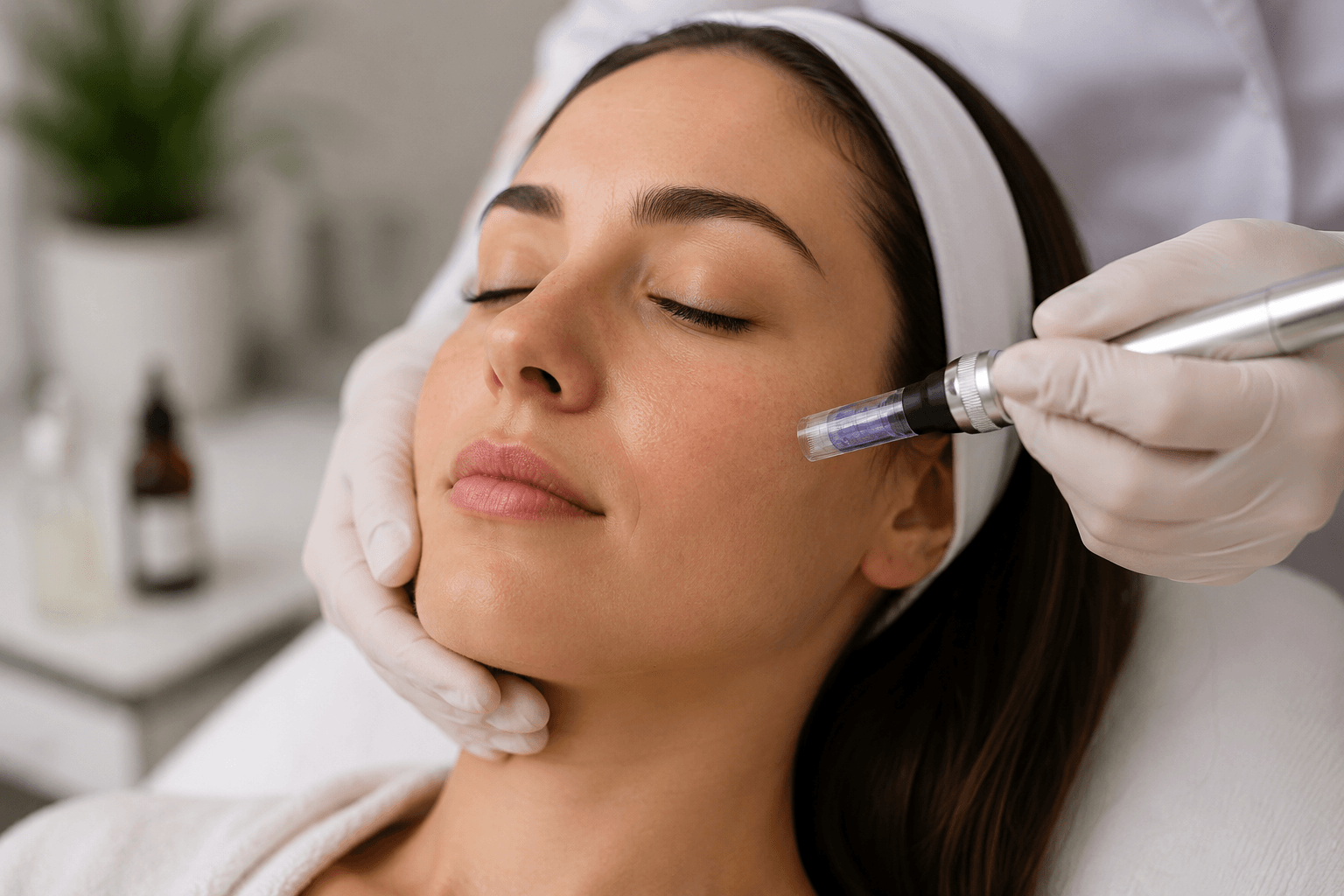
This is where things get more nuanced. Microneedling works by creating controlled micro-injuries in the skin. These tiny channels trigger your body’s natural healing response, boosting collagen and improving texture.
For sensitive skin, the key factor is control.
When performed by experienced providers, microneedling in Denver can be adjusted to suit delicate skin types. This includes:
- Using shorter needle depths
- Reducing treatment intensity
- Avoiding overly aggressive passes
- Pairing the treatment with calming, barrier-supporting serums
Many patients are surprised to learn that microneedling can actually help strengthen the skin over time. By stimulating collagen and improving barrier function, it may reduce overall sensitivity in the long run.
That said, not every form of microneedling is identical. For example, Radiofrequency Microneedling delivers heat along with the needles, which can be more intense. This may or may not be suitable depending on your skin’s condition and tolerance.
A proper consultation is essential to determine the safest approach.
How is treatment customized?
Customization is what makes the difference between a positive experience and unnecessary irritation.
A thoughtful provider will evaluate several factors before performing microneedling:
- Current skin condition and sensitivity level
- Medical history and any underlying skin concerns
- Recent product use or treatments
- Areas of concern such as redness, acne scars, or fine lines
From there, the treatment plan can be adjusted. For example, someone with reactive skin may benefit from a gentler session combined with hydrating treatments like a Flawless Face Package, which focuses on calming and restoring the skin.
In some cases, treatments like Microneedling Elite may be recommended if they are designed to deliver more controlled and precise results.
Customization also includes what is applied during the procedure. Hydrating and soothing serums can help reduce inflammation and support healing immediately after treatment.
What should you expect afterward?
Post-treatment reactions vary depending on your skin type and the intensity of the session.
For sensitive skin, common side effects may include:
- Mild redness similar to a light sunburn
- Temporary warmth or tightness
- Slight swelling in treated areas
These effects usually subside within 24 to 72 hours. With proper aftercare, recovery tends to be smooth.
One important thing to understand is that some sensitivity after microneedling is normal. The goal is not to avoid all reaction, but to ensure it remains controlled and short-lived.
Over the following weeks, you may begin to notice:
- Improved skin texture
- More even tone
- Reduced appearance of fine lines
- A healthier overall glow
These gradual improvements are part of the collagen-building process that microneedling is known for.
How can irritation be minimized?
Minimizing irritation starts before the treatment even begins.
Here are key ways to protect sensitive skin during and after microneedling in Denver:
Before your appointment
- Avoid retinoids, exfoliants, and strong actives for several days
- Keep your skincare routine simple and hydrating
- Stay well-hydrated and avoid excessive sun exposure
Immediately after treatment
- Use only gentle, provider-recommended products
- Avoid makeup for at least 24 hours
- Stay out of direct sunlight
In the days following
- Focus on barrier repair with soothing moisturizers
- Apply sunscreen consistently
- Avoid heat-based activities like saunas or intense workouts
Following these steps can significantly reduce the risk of irritation and help your skin recover more comfortably.
Who should postpone treatment?
While microneedling can be adapted for many skin types, there are situations where it is best to wait.
You may need to postpone treatment if you have:
- Active skin infections or open wounds
- Severe rosacea flare-ups
- Recent sunburn
- Ongoing allergic reactions or unexplained irritation
- Recently used certain medications that affect skin healing
Sensitive skin alone is not a reason to avoid microneedling. However, untreated or unstable skin conditions should be addressed first.
A professional consultation ensures that treatment is scheduled at the right time for your skin.
FAQs About Microneedling for Sensitive Skin
Is microneedling painful for sensitive skin?
Most patients describe the sensation as mild and manageable. Numbing cream is often used to increase comfort, especially for those with lower tolerance.
How often can sensitive skin get microneedling?
This depends on your skin’s response. Many patients benefit from sessions spaced several weeks apart to allow full recovery and collagen development.
Is Radiofrequency Microneedling safe for sensitive skin?
It can be, but it is more intensive than traditional microneedling. Your provider will determine if your skin can tolerate it or if a gentler approach is better.
Can microneedling reduce redness over time?
Yes, in some cases. By strengthening the skin and improving barrier function, microneedling may help reduce chronic redness with consistent treatments.
What is the best aftercare for sensitive skin?
Simple, calming routines work best. Focus on hydration, sun protection, and avoiding harsh ingredients while your skin heals.
So, is it worth trying if your skin is easily irritated?
If you have been avoiding microneedling because your skin is sensitive, you are not alone. It is a valid concern, and caution is important. However, sensitivity does not automatically mean you have to miss out on treatments that can improve your skin.
With the right approach, proper customization, and expert guidance, microneedling in Denver can be both safe and effective. In fact, many people find that their skin becomes stronger, smoother, and more resilient over time.
The key is not just the treatment itself, but how thoughtfully it is performed. When your skin is treated with care, even something that sounds intense can become a gentle step toward healthier, more balanced skin.