What Is Hyperpigmentation, and Why Does Denver's Sun Make It Worse?
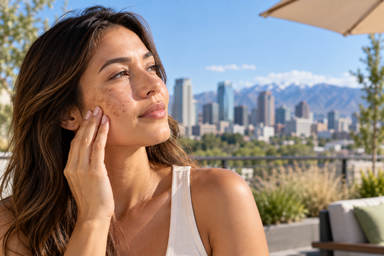
If you've noticed new brown patches, dark spots, or uneven tone showing up on your face over the last year or two, you're not imagining things, and you're not alone. Hyperpigmentation is one of the most common skin concerns we see at our Denver med spa, and it's rarely as simple as "too much sun." There are actually several different types of hyperpigmentation, each with its own cause, and understanding which one you're dealing with is the real key to fixing it instead of guessing your way through a drugstore skincare aisle.
Living at elevation adds a layer most people don't think about until someone explains it. Denver sits at roughly 5,280 feet, which means thinner atmosphere and significantly less UV filtration than cities at sea level. Add in over 300 days of sunshine a year and a dry climate that leaves skin more reactive to irritation, and you have a near-perfect environment for pigment concerns to develop, and worsen, faster than they might elsewhere. Below, we'll walk through what hyperpigmentation actually is, the different forms it takes, why Denver living plays such a big role, and how the underlying cause should guide the treatment you choose.
This article was updated this month, September 2026, to reflect the latest guidance we share with clients at Eleven11 Laser + Skincare.
What Is Hyperpigmentation, Exactly?
Hyperpigmentation is a general term for patches of skin that appear darker than the surrounding area because of excess melanin production. It's not a single condition, it's a symptom that can come from several different underlying triggers, which is why a one-size-fits-all approach rarely works.
Melanin is the pigment responsible for your natural skin tone, and it's produced by cells called melanocytes. When those cells are triggered, whether by ultraviolet light, inflammation, hormones, or injury, they can go into overdrive in a localized area, depositing extra pigment and creating a visibly darker patch. Some patches sit close to the surface and fade with time and consistent care. Others sit deeper in the skin and are notoriously more stubborn, which is often the case with melasma. Understanding where your specific pigment issue is coming from matters more than most people realize, because a treatment that works beautifully for sun spots can be far less effective, or even counterproductive, for melasma.
What Causes Hyperpigmentation?
Hyperpigmentation is caused by anything that triggers melanocytes to overproduce pigment, and the most common triggers are ultraviolet exposure, inflammation from acne or injury, hormonal fluctuations, and certain medications. Most people are dealing with more than one of these at once, which is part of why it can feel so hard to pin down.
Sun exposure is the most familiar culprit and the easiest to understand. UV rays stimulate melanin production as a defense mechanism, and repeated exposure over years leads to visible sun spots, particularly on the face, chest, hands, and shoulders. Inflammation is another major driver. Any time skin experiences trauma, whether that's a popped pimple, a scrape, a burn, or even an aggressive at-home peel, the healing process can leave behind a dark mark that lingers long after the original issue is gone. Hormones are a third major factor, especially estrogen and progesterone fluctuations tied to pregnancy, birth control, or hormone therapy, which can trigger melasma in people who are genetically predisposed to it. Finally, certain medications and even some fragranced skincare products can make skin more photosensitive, amplifying pigment response to sun exposure that wouldn't otherwise cause a problem.
Why Does Hyperpigmentation Show Up More in Denver?
Hyperpigmentation tends to be more common and more persistent in Denver because of the city's high elevation, intense year-round sun exposure, and dry climate, all of which increase UV exposure and skin sensitivity. People often assume cooler temperatures mean lower risk, but that's not how UV works.
At 5,280 feet, there's meaningfully less atmosphere between your skin and the sun's UV rays compared to lower-elevation cities, which means UV intensity is higher here even on a mild or overcast day. Combine that with Denver's 300-plus days of sunshine annually, and residents are simply accumulating more cumulative sun exposure over time than people in cloudier climates, even if they don't spend every afternoon outdoors. The dry, low-humidity air common along the Front Range also tends to compromise the skin barrier, which can make skin more reactive to irritation and slower to recover from inflammation, both of which feed into pigment issues. Whether you spend your weekends hiking in the foothills or just walk to lunch in RiNo or Cherry Creek, that daily sun exposure adds up in ways sunscreen alone often doesn't fully offset.
What Are the Different Types of Hyperpigmentation, and How Do You Tell Them Apart?
The main types of hyperpigmentation are melasma, solar lentigines (commonly called sun spots or age spots), and post-inflammatory hyperpigmentation, and they can usually be distinguished by their pattern, location, and trigger. Knowing which type you have shapes which treatment path actually makes sense.
Is It Melasma?
Melasma typically appears as symmetrical, blotchy patches on the cheeks, forehead, upper lip, or chin, and it's strongly linked to hormonal shifts and sun exposure working together. It tends to be more common in women, particularly during and after pregnancy or while on hormonal birth control, and it's notoriously sensitive to heat and light, meaning it can flare with sun exposure even through a car windshield. Melasma is also considered one of the more persistent forms of hyperpigmentation, often requiring a longer-term, carefully managed approach rather than a quick fix.
Is It Sun Spots (Solar Lentigines)?
Sun spots show up as flat, well-defined brown spots, usually on areas that get the most consistent sun exposure over the years, like the cheeks, forehead, backs of the hands, and chest. Unlike melasma, they're not symmetrical or hormonally driven, they're simply a direct record of cumulative UV exposure, which is why they tend to increase steadily with age, especially for lifelong Colorado residents.
Is It Post-Inflammatory Hyperpigmentation?
Post-inflammatory hyperpigmentation appears exactly where a previous injury or breakout occurred, meaning the pattern is irregular and traceable back to a specific event rather than spread evenly across the face. This is extremely common after acne, and it can also follow bug bites, cuts, burns, or even a harsh at-home chemical exfoliant used too aggressively. The good news is that this type often responds well to consistent care, since it's tied to a healing process rather than an ongoing hormonal trigger.
Why Are Busy Denver Professionals Especially Prone to Pigment Concerns?
Busy professionals in Denver often see hyperpigmentation develop or worsen because of a combination of chronic stress, cumulative daily sun exposure, and limited time for consistent skincare, not just one isolated cause. It's a pattern we see constantly with clients who work demanding schedules across the metro area.
Chronic stress raises cortisol levels, and elevated cortisol has been linked to increased inflammation and disrupted hormone balance, both of which can contribute to hormonal pigmentation and an overall dull, uneven complexion. Layer onto that the reality of Denver work life, outdoor lunch breaks in the sun, walking between meetings, and long commutes with UV exposure through car windows, and you get a slow, cumulative buildup of sun damage that often goes unnoticed until it's visible. When you're stretched thin, trial-and-error with a rotating cast of drugstore serums usually isn't realistic, and it can waste months chasing a solution that was never matched to your actual pigment type in the first place. That's exactly why a med spa consultation that identifies the real cause upfront tends to save both time and money compared to guessing.
When Should You See a Professional Instead of Managing It at Home?
You should consider a professional evaluation when dark spots persist despite consistent sunscreen use, when pigmentation seems to be spreading or darkening, or when you're unsure which type of hyperpigmentation you're dealing with. At-home products can help with mild, surface-level discoloration, but they rarely resolve deeper or hormonally driven pigment on their own.
The American Academy of Dermatology notes that consistent sun protection is foundational to any pigmentation plan, but protection alone doesn't reverse pigment that's already there. If you've been diligent about SPF and still aren't seeing improvement after several months, that's usually a sign the pigment is either deeper in the skin or being fed by an ongoing trigger like hormones or inflammation, and a professional assessment can save you from continuing to invest in products that were never going to address the root cause.
Which Treatment Approaches Address Which Type of Hyperpigmentation?
The right treatment for hyperpigmentation depends heavily on its underlying cause, since sun-driven pigment, inflammatory pigment, and hormonal pigment don't all respond the same way to the same tools. Matching the approach to the type is what separates real, lasting results from frustration.
For sun-induced pigment like solar lentigines, IPL treatment is often an excellent option because it uses targeted pulses of light to target melanin clusters at their source, while also stimulating collagen for smoother, more even-toned skin over time, typically across a series of three to five sessions with no downtime in between. For post-inflammatory pigmentation and general texture concerns, treatments like Biorepeel combine chemical exfoliation with skin renewal support, helping resurface skin evenly as it heals. For clients working on overall pigmentation support alongside texture and renewal, microneedling Denver CO clients often turn to, using the Secret RF device, can help stimulate the skin's natural renewal process as part of a broader plan. Because melasma behaves differently and can worsen with heat or aggressive treatment, it typically calls for a more conservative, closely guided approach built around consistent sun protection and gentler renewal-focused options rather than a single quick intervention. This is exactly why an individualized consultation matters so much for pigmentation concerns specifically.
If you want a deeper look at how we approach pigment and sun damage concerns specifically, our page on hyperpigmentation and sun damage walks through our philosophy in more detail, and our full services page outlines everything available across both treatment paths.
Beautiful Skin, Fewer Mysteries: Getting to the Real Cause
Hyperpigmentation doesn't have to stay a mystery you manage with a drawer full of half-used serums. Once you understand whether you're dealing with sun-induced spots, post-inflammatory marks, or hormonally driven melasma, the path forward becomes a lot clearer, and a lot less frustrating. At Eleven11 Laser + Skincare, our philosophy has always been that beautiful skin starts here, with an honest, medically guided conversation about what's actually happening in your skin before we ever talk treatment.
If you're in Denver and ready to stop guessing, we offer free consultations to help identify your specific type of pigmentation and build a plan around it. Visit our homepage to learn more about our team, or explore our IPL treatment, Biorepeel, and microneedling services to see which approach might fit your skin best.
Frequently Asked Questions
What is hyperpigmentation caused by? Hyperpigmentation is caused by an overproduction of melanin, typically triggered by sun exposure, inflammation from acne or injury, hormonal changes, or certain medications. Most people experience a combination of these triggers rather than just one.
Why do I have more dark spots since moving to Denver? Denver's high elevation and dry climate mean more direct UV exposure throughout the year, even on cloudy or cool days, which can accelerate the development of sun-related pigment compared to lower-elevation cities.
Is melasma the same as sun spots? No. Melasma appears as symmetrical, hormonally driven patches usually on the cheeks and forehead, while sun spots (solar lentigines) are flat, well-defined marks caused directly by cumulative UV exposure and aren't linked to hormones.
Can stress really affect my skin's pigmentation? Yes. Chronic stress raises cortisol, which can disrupt hormone balance and contribute to inflammation, both of which are linked to hormonal pigmentation and an overall duller complexion, something we see often in busy working professionals.
What treatments help with hyperpigmentation in Denver? Options like IPL treatment, Biorepeel, and microneedling Denver CO clients choose all address pigment differently depending on its cause, which is why a professional consultation to identify your specific type is the best starting point before choosing a treatment path.