Dark Spots Won't Budge? Here's How to Pick the Right Treatment in Denver
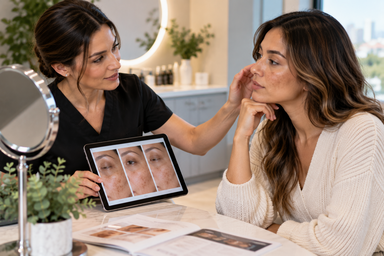
If you've been staring at the same patch of discoloration on your cheek or forehead for months, you already know the frustration. You've probably tried a serum or two, maybe swapped sunscreens, and the spot is still there, staring back at you every time you check the mirror. The real question isn't whether dark spots treatment exists in Denver. It's which one actually works for the type of spot you have.
That's the piece most articles skip. They'll explain what hyperpigmentation is in general terms, but they won't help you figure out whether your particular spots need light-based therapy, a chemical exfoliation, or a collagen-focused approach. This guide, from the team at Eleven11, is meant to do exactly that: help you make a confident, informed decision instead of guessing your way through appointments and money.
What Actually Causes Dark Spots in Denver's Climate?
Denver's combination of high altitude, thin atmosphere, and year-round sunshine means UV exposure is more intense here than in most other cities, even on cool or overcast days. That environmental reality, layered on top of old acne marks or hormonal shifts, is why so many Denver residents deal with stubborn pigmentation.
At roughly 5,280 feet, there's simply less atmosphere to filter UV rays before they reach your skin. Add in Denver's 300-plus days of sunshine a year, and you have a recipe for sun-triggered pigmentation that builds up gradually, especially for anyone who spends time outdoors in neighborhoods like RiNo, Cherry Creek, or the Tech Center without consistent SPF. Beyond sun exposure, dark spots commonly come from:
- Post-inflammatory hyperpigmentation, the flat brown or reddish marks left behind after a breakout heals
- Melasma or hormonal pigmentation, often triggered by pregnancy, birth control, or hormonal fluctuations, and typically appearing in larger, symmetrical patches
- Sun damage or age spots, which tend to be more defined, darker spots concentrated on the face, chest, or hands
Knowing which category your spots fall into is the first real step toward choosing a treatment that fits, rather than one that just sounds popular.
How Do I Know Which Treatment Fits My Type of Dark Spot?
The right treatment depends on how deep the pigment sits and how your skin tends to respond, which is why a proper consultation matters more than picking a trendy option off social media. Sun spots and age spots generally respond well to light-based treatment, while acne marks and rough texture often do better with exfoliation, and stubborn or hormonal pigmentation sometimes needs a blended approach.
Photofacial (IPL) for Sun Spots and Sun Damage
An IPL treatment, also called a photofacial, uses pulses of light that specifically target pigment and redness. It's a strong option for the kind of sun-triggered discoloration so many Denver clients develop from years of high-altitude UV exposure. Because IPL targets pigment directly, it tends to work especially well on sun spots and age spots that are more clearly defined rather than diffuse. There's no downtime involved, which makes it appealing for people who don't want to plan their schedule around recovery.
Chemical Peels for Acne Marks, Texture, and Overall Dullness
If your dark spots came from past breakouts, or if you're also dealing with dullness, uneven texture, or enlarged pores alongside the pigmentation, a chemical peel Denver clients frequently ask about, such as the VI Peel or Biorepeel, may be the more logical starting point. Peels work by encouraging controlled exfoliation and cell turnover, which helps fade built-up pigment sitting in the upper layers of skin while also improving overall tone. You can read more about how this approach applies specifically to pigmentation in this breakdown of chemical peels for hyperpigmentation and dark spots in Denver.
Microneedling for Texture-Driven Pigmentation
For some clients, pigmentation is tangled up with textural concerns like scarring or uneven skin surface. In those cases, microneedling can be a useful complement to a broader plan, since it stimulates collagen and can support smoother, more even-looking skin over time. It's rarely the first tool reached for when pigmentation alone is the primary concern, but it plays a valuable supporting role for clients working on multiple issues at once.
What Results and Timeline Should I Actually Expect?
Most clients see gradual improvement rather than an overnight transformation, and the number of sessions depends on the treatment and how deep the pigment sits. IPL typically requires three to five sessions spaced a few weeks apart, while a single chemical peel can show noticeable brightening, though a series is often recommended for more stubborn spots.
This is the part people are usually most curious about once they've settled on a treatment direction, and it's worth being realistic here rather than promising instant results. IPL works cumulatively, meaning each session builds on the last as the light energy encourages your body to naturally clear treated pigment. Chemical peels can show visible results faster, sometimes within days of a single treatment, but deeper or long-standing spots usually respond better to a series spaced a few weeks apart. Microneedling, when it's part of your plan, tends to require a bit more patience since results build gradually as collagen remodels over the following weeks.
Practical Skincare Planning for Busy Denver Professionals
If your schedule is packed with meetings and you don't have time for guesswork, the key is starting with a clear consultation that maps out exactly how many sessions you'll realistically need before you commit to anything. Getting a defined plan upfront, rather than booking appointments one at a time and reassessing later, saves both time and money for people juggling demanding careers.
For working professionals across Denver, from downtown offices to remote setups in RiNo lofts, the biggest frustration usually isn't the treatment itself, it's the uncertainty around how much time and how many visits it will take. A photofacial session typically takes well under an hour and requires no downtime, which makes it easier to schedule around a lunch break or before work. Chemical peels vary depending on strength, but many of the options used for dark spots involve minimal downtime, letting you return to normal activities the same day or the next. The smartest approach is having an honest conversation upfront about your goals and your calendar, so your treatment plan is built around your actual life rather than a one-size-fits-all package. That's the kind of planning a proper consultation is meant to provide, mapping out session count and spacing before you ever commit to a series.
Who Is a Good Candidate for Dark Spot Treatment?
Good candidates are generally people with realistic expectations, healthy skin free of active infection, and pigmentation that stems from sun exposure, old acne marks, or mild hormonal changes rather than an undiagnosed medical condition. Anyone unsure about the cause of their pigmentation should have it evaluated before starting treatment.
Because IPL relies on light targeting pigment, it tends to work best on lighter to medium skin tones with well-defined sun spots, while deeper or more diffuse pigmentation may respond better to a peel-based approach. This is exactly why a consultation matters so much before choosing a path. A trained professional can look at your specific spots, ask about your history, and recommend the option (or combination) that fits your skin rather than a generic recommendation.
When Does It Make Sense to Combine Treatments?
Combining treatments makes sense when pigmentation is stubborn, mixed with texture concerns, or hasn't responded fully to a single approach on its own. Pairing a photofacial with periodic chemical peels, for example, allows one treatment to target pigment directly while the other supports overall tone and texture.
This kind of layered approach is common for clients dealing with a mix of sun damage and old acne marks, since neither concern alone tells the whole story. A thoughtful plan might start with a chemical peel series to address texture and surface-level dullness, then introduce IPL sessions to target the more defined sun spots that remain. The goal is always real, lasting results, not a quick fix that fades within weeks.
Getting Started the Right Way
The most important step in all of this isn't picking a treatment off a list, it's getting an honest assessment of your skin so the plan actually matches your spots. You can explore the range of options built for pigmentation concerns on the hyperpigmentation and sun damage page, browse the full service menu, or take a closer look at chemical peel options and the VI Peel specifically, along with IPL treatment details if light-based therapy sounds like the better fit for your spots.
This guide was updated this month, September 2026, to reflect current treatment approaches for Denver's climate and lifestyle.
Frequently Asked Questions
Is IPL or a chemical peel better for dark spots? It depends on the type of spot. IPL tends to work best on defined sun spots and age spots, while a chemical peel is often more effective for acne marks, dullness, and overall texture. Many clients benefit from starting with whichever concern is most prominent and adjusting from there.
How many sessions does dark spots treatment usually take in Denver? Most clients need three to five IPL sessions spaced a few weeks apart, while chemical peels may show results after just one treatment, with a series recommended for deeper pigmentation. A consultation can map out a more exact timeline based on your specific spots.
Why do I have more dark spots living in Denver? Denver's high altitude means less atmosphere to filter UV rays, and with over 300 days of sunshine a year, skin here is exposed to more cumulative sun damage than in many other cities, even on cloudy or cool days.
Can I combine microneedling with a chemical peel or IPL? Yes, in some cases microneedling is used alongside a peel or photofacial to support collagen and texture as part of a broader plan, though it's typically a complement rather than the primary treatment for pigmentation alone.
Does a med spa consultation help figure out which treatment I need? Yes, a consultation is the best way to determine whether your spots are better suited to IPL, a chemical peel, or a combined approach, since pigment type and skin tone both factor into the recommendation. It also helps set realistic expectations for sessions and timeline before you commit.