Why Won't Your Acne Scars and Enlarged Pores Just Go Away on Their Own?
Updated August 2026
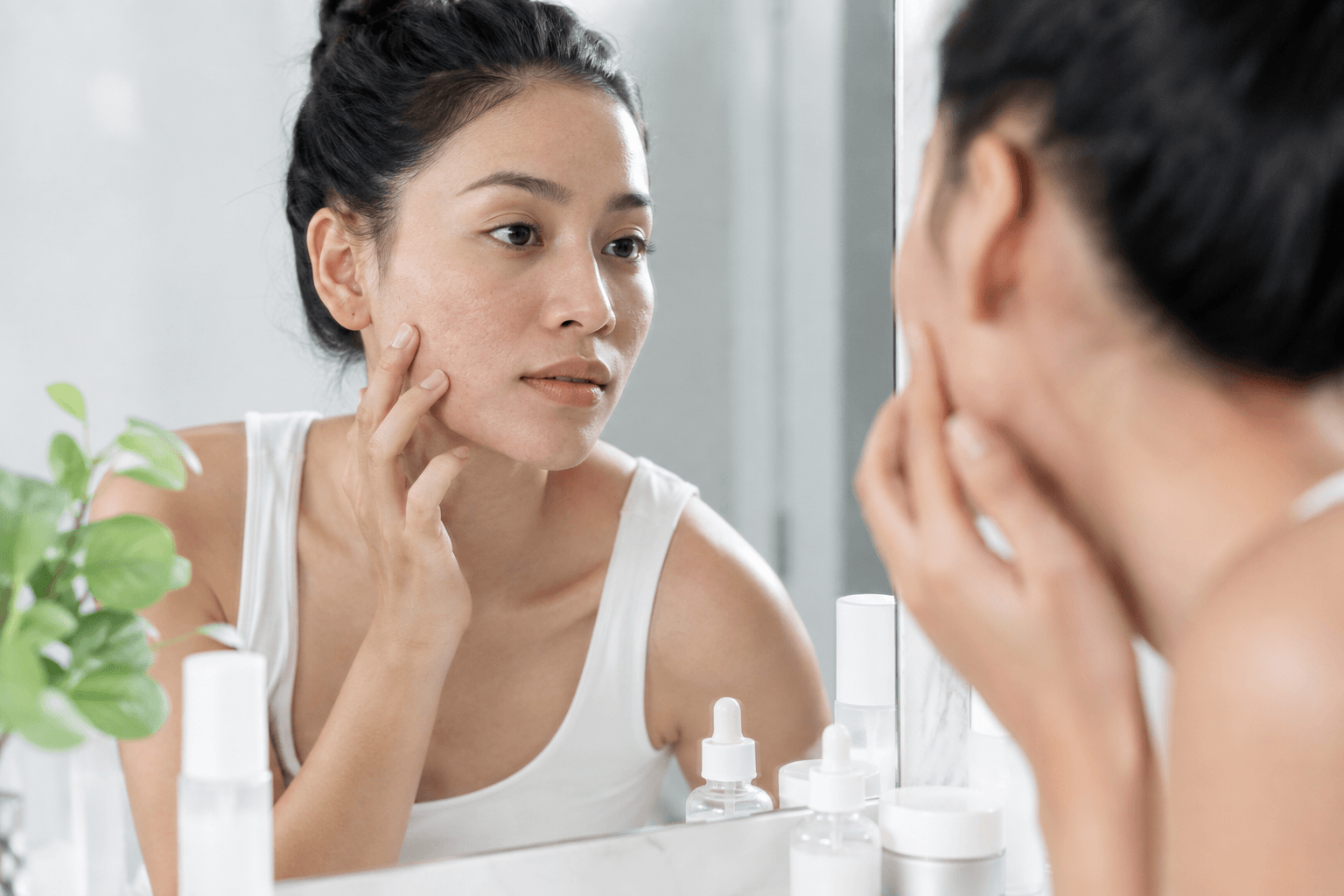
Acne can eventually clear up. The scars and texture it leaves behind are a different story, and a lot of clients tell us the same thing when they come in for a consultation. Their breakouts are mostly under control now, but the marks and pitting from years of acne are still sitting there, sometimes decades later, seemingly immune to every serum and treatment they have tried. This is usually what brings people to search for microneedling near me, hoping there is finally something that addresses texture instead of just active breakouts.
There is a reason acne scars and enlarged pores are so stubborn, and understanding that reason makes it a lot easier to see why microneedling has become one of the most effective non-invasive options for this exact concern.
Why Are Acne Scars So Resistant to Fading on Their Own?
What Actually Causes Acne Scarring in the First Place?
Acne scars form when inflammation from a breakout damages the collagen and elastin structure underneath the skin. As the skin heals, it can either overproduce collagen, creating raised scars, or underproduce it, creating the depressed, pitted scars most people are referring to when they talk about acne scarring. The deeper the original breakout, particularly with cystic acne, the more likely it is to leave behind this kind of structural damage.
Why Do Enlarged Pores Often Show Up Alongside Acne Scarring?
Enlarged pores and acne scarring frequently go hand in hand because both are related to how skin structure changes around a hair follicle after repeated inflammation. Chronic breakouts stretch pore walls over time, and the surrounding loss of collagen support can make pores appear larger and less able to snap back to their original size. This is why a lot of clients dealing with old acne scarring also mention enlarged pores as a related frustration.
Can Skincare Products Actually Repair This Kind of Scarring?
Topical products can help with surface level concerns like dark marks or mild texture irregularities, but they generally cannot reach the deeper structural damage that causes true acne scarring. Because the collagen network sits below the layer that most skincare ingredients can penetrate, meaningful improvement in scarring usually requires a treatment that works at that deeper level, which is exactly the gap microneedling is designed to fill.
Does Picking or Popping Breakouts Make Scarring Worse?
Yes, significantly. Picking at active breakouts increases inflammation and trauma to the skin, both of which raise the likelihood of scarring. It also increases the risk of spreading bacteria and prolonging the healing process. If active acne is still part of your current concern alongside old scarring, it is worth looking into our acne treatment options to address the root cause before or alongside any scar focused treatment.
How Does Microneedling Actually Improve Acne Scars?
What Is Happening Underneath the Skin During Microneedling?
Microneedling uses fine needles to create controlled micro injuries in the skin, which triggers your body's natural wound healing response. That response includes new collagen and elastin production, which gradually fills in and remodels the depressed areas left behind by old acne scars. Because this process happens naturally over the following weeks, results tend to build gradually with each session rather than appearing immediately, but the effect is a genuine change in skin structure rather than a temporary surface improvement.
Is Radiofrequency Microneedling More Effective for Deeper Scarring?
For more significant or deeper acne scarring, adding radiofrequency energy to the microneedling process can improve results. The RF energy delivers heat to the deeper layers of tissue at the same time the needles create their micro injuries, which further stimulates collagen remodeling and can be particularly helpful for pitted or textured scarring that has not responded well to other approaches. You can learn more about this option on our Radiofrequency Microneedling page.
Can Microneedling Help Shrink the Appearance of Enlarged Pores?
Indirectly, yes. As microneedling stimulates new collagen production around the pore structure, skin can regain some of the support that helps pores appear smaller and tighter. This is why clients dealing with both acne scarring and enlarged pores often see improvement in both concerns from the same treatment series, rather than needing entirely separate approaches for each issue.
How Many Microneedling Sessions Are Typically Needed for Acne Scars?
Acne scarring generally requires more sessions than concerns like fine lines or general skin texture, since the structural damage tends to be deeper and more established. Most treatment plans involve a series of four to six sessions spaced about four weeks apart, with results continuing to improve for a few months after the final session as collagen remodeling continues. Our standard microneedling and Microneedling Elite options offer different levels of intensity depending on how significant your scarring is and how your skin responds.
Who Is a Good Candidate for Microneedling to Treat Acne Scars?
Most people with depressed or pitted acne scarring, whether from teenage acne, adult onset breakouts, or cystic acne, are reasonable candidates for microneedling. It tends to work best once active breakouts are under control, since treating actively inflamed acne with microneedling can spread bacteria and increase irritation. If you are currently dealing with active acne, your provider will likely recommend addressing that first before starting a scar focused treatment series.
Is Microneedling Safe for Sensitive or Reactive Skin Prone to Breakouts?
Because microneedling does not involve harsh chemicals and can be adjusted in depth and intensity, it is generally well tolerated even by clients whose skin reacts easily to other treatments. Your provider will assess your specific skin condition during a consultation to determine the right depth and approach for your scarring and sensitivity level.
What Should You Expect in Terms of Downtime and Recovery?
Most clients experience redness similar to a mild sunburn for one to three days after treatment, sometimes with slight swelling. There is no significant downtime beyond this, and most people return to their normal routine the following day with proper aftercare, including gentle skincare and diligent sun protection while the skin heals.
Your Skin Remembers Every Breakout. Let's Help It Move On.
Acne scars and enlarged pores are frustrating precisely because they linger long after the breakouts themselves are gone, and no amount of concealer or serum fully resolves structural damage sitting below the surface. Microneedling works by triggering your skin's own repair process at the level where that damage actually lives, which is why it has become such a trusted option for clients across Denver dealing with this exact concern. If old acne scarring or texture has been bothering you longer than you would like to admit, our contact page is the easiest way to start a conversation about a plan built around your skin.
Frequently Asked Questions
How long after acne clears up should I wait before starting microneedling? It is generally best to wait until active breakouts are under control, since treating actively inflamed skin can increase irritation and risk of spreading bacteria. Your provider can help determine the right timing based on your current skin condition.
Can microneedling completely remove acne scars? Microneedling significantly improves the appearance of acne scars by stimulating new collagen production, but complete removal is not typically realistic for deeper scarring. Most clients see meaningful, lasting improvement in texture and depth rather than a total erasure of scarring.
Is microneedling painful? Most clients describe the sensation as mild discomfort rather than significant pain, especially with topical numbing applied before treatment. Sensitivity can vary depending on the depth of needling used for your specific scarring.
How soon will I see results from microneedling for acne scars? Because results depend on your body's natural collagen production, visible improvement usually builds gradually over four to six weeks after each session, with continued improvement over the following months as the series progresses.
Can microneedling help with acne scars on the body, not just the face? Yes, microneedling can be used on body areas affected by acne scarring, such as the back and chest, though treatment planning may differ slightly from facial treatment. A consultation can help determine the best approach for your specific areas of concern.