Why Denver's Sun Is Aging Your Skin Faster Than You Think (And What a Photofacial Can Do About It)
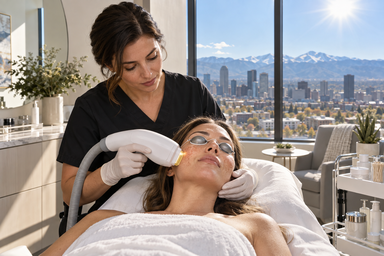
If you live and work in Denver, you already know the sun here is different. It feels brighter, sharper, and somehow present even on the days you swear you never left your desk. That's not in your head. Denver sits about a mile above sea level, and that extra altitude means there's less atmosphere to filter out ultraviolet rays before they reach your skin. Combine that with over 300 days of sunshine a year, and you've got a recipe for sun damage that shows up faster and deeper than it would almost anywhere else in the country.
The result? Redness that won't calm down, brown spots that seem to multiply every summer, and an overall unevenness in tone that no amount of concealer quite fixes. If that sounds familiar, a photofacial might be exactly the reset your skin has been asking for. Here's why Denver skin ages the way it does, what's actually happening beneath the surface, and how a photofacial treatment from Eleven11 can help you get real, lasting results without disrupting your schedule.
Why Does Denver's Altitude and Sun Exposure Damage Skin So Quickly?
Denver's high altitude means UV radiation is significantly stronger here than at sea level, and thinner air simply can't absorb as much of it. Add in a dry climate that strips moisture from your skin barrier, and you end up with a perfect storm for accelerated sun damage, even when the sky is overcast.
Most people associate sunburn risk with summer, but in Denver, UV exposure is a year-round concern. Skiers and hikers often get hit with reflective UV off snow in the winter, while joggers and dog walkers catch high-intensity rays during spring and fall without realizing how much exposure adds up. The American Academy of Dermatology has long noted that altitude increases UV intensity, and Denver's elevation puts it well above cities where sun damage tends to progress more slowly. Over months and years, this cumulative exposure builds up in the deeper layers of skin, long before it becomes visible on the surface.
What Are the Signs of Sun Damage and Uneven Skin Tone?
The most common early signs are persistent redness, visible broken capillaries, brown or reddish-brown spots (often called sun spots or age spots), and a general dullness or unevenness across the cheeks, forehead, and chest. These signs tend to appear gradually, which is why so many people don't connect them to sun exposure until they've been building for years.
Some of the most frequently reported concerns from Denver clients include:
- Rosacea-like redness across the cheeks and nose that flares in cold, dry air or after time outdoors
- Freckling or small dark spots that seem to appear overnight after a weekend hike or ski trip
- A blotchy, uneven complexion that looks fine in person but photographs unevenly
- Fine broken blood vessels around the nose and cheeks
- Skin that feels rougher or more textured than it used to, especially along the jawline and forehead
If any of this sounds familiar, it's worth exploring further on our page dedicated to hyperpigmentation and sun damage, where we break down exactly how these concerns develop and what treatment paths make the most sense.
What Does a Photofacial Actually Do?
A photofacial, also known as IPL (Intense Pulsed Light) treatment, uses targeted pulses of light to break up excess pigment and reduce redness caused by damaged blood vessels, all while stimulating collagen production underneath the skin. It's non-invasive, requires no downtime, and is specifically designed to treat the kind of cumulative sun damage that's so common in high-altitude, high-sun climates like Denver's.
Here's how it works in practical terms. The light energy from the device targets pigment and blood vessels beneath the surface of your skin without damaging the surrounding tissue. Your body then naturally processes and clears the treated pigment over the following days and weeks, while the light energy also encourages new collagen growth, which helps improve overall skin texture and firmness over time. It's one of the most direct ways to address the visible aftermath of sun exposure rather than just masking it.
Our IPL treatment page goes into more detail on how the technology works and what areas it can treat, from the face to the chest and hands, anywhere sun exposure tends to accumulate.
What Should You Expect During and After a Photofacial?
Most clients describe the sensation as a mild snapping feeling, similar to a rubber band flick, and the treatment itself typically takes well under an hour. There's no downtime required, meaning you can go straight back to work, errands, or the rest of your day immediately afterward.
Because photofacial treatments work by drawing pigment to the surface before it flakes away naturally, it's common to see spots appear slightly darker for a few days before they fade. Redness may also look a bit more pronounced immediately after treatment, but this typically settles within a day. Most people need somewhere between three and five sessions, spaced a few weeks apart, to see full results, since treating cumulative sun damage takes a series of sessions rather than one single fix. This is especially true in Denver, where the sun exposure being treated has often built up over years, not weeks.
Is a Photofacial Right for Busy, Active Denver Professionals?
Yes, a photofacial is one of the most schedule-friendly treatments available for people who don't have time for lengthy downtime or recovery. Because there's no peeling, no bandages, and no real recovery period, it fits naturally into a lunch break or a gap between meetings.
Denver has no shortage of people who spend their weekdays commuting downtown or working out of offices in LoDo, Cherry Creek, or the Denver Tech Center, then spend their weekends hiking in the foothills or hitting the slopes an hour away. That lifestyle is part of what makes this city so appealing, but it also means near-constant sun exposure with very little time left over for an elaborate skincare routine. Reapplying sunscreen every two hours sounds great in theory, but it rarely survives contact with a packed calendar.
That's exactly the gap a photofacial Denver treatment is built to fill. It's a low-commitment, high-impact option for people who want visible improvement in their skin without rearranging their week around it. You can book a session, head back to the office or straight into your afternoon, and let the results show up gradually over the following weeks. For professionals who spend outdoor lunch breaks in RiNo or squeeze in a quick hike after work, this kind of low-downtime option is often the difference between actually treating sun damage and just living with it.
Who Is a Good Candidate for a Photofacial?
Good candidates are typically people with visible sun damage, redness, or uneven pigmentation who want noticeable improvement without surgery or extended recovery time. It's especially well suited to lighter to medium skin tones, since IPL targets pigment and works best when there's meaningful contrast between the treated spots and the surrounding skin.
During a consultation, a member of our team will evaluate your skin, discuss your goals, and confirm whether a photofacial is the right fit or whether another option might serve you better. Some clients benefit from combining a photofacial with other treatments over time, such as a chemical peel to address texture and dullness, or microneedling to target finer lines and deeper texture concerns. These treatments work differently and address different layers of skin concerns, so the right combination really comes down to your specific goals. If you're not sure where to start, our full list of services breaks down every option we offer, and our laser facials category page is a good place to compare light-based treatments side by side.
How Often Should You Get a Photofacial in Denver?
Because Denver's sun exposure is essentially a year-round factor, many clients choose to make photofacials part of an ongoing skin maintenance routine rather than a one-time fix. An initial series of three to five sessions addresses existing damage, and periodic touch-ups afterward help manage new sun exposure as it happens.
This is particularly relevant for anyone who spends significant time outdoors, whether that's a daily walk with the dog, weekend trail runs, or ski season lasting half the year. Denver's dry air and intense UV don't take a break just because summer ends, so skin maintenance shouldn't either.
The Bright Side of Living Somewhere This Bright
Loving Denver's sunshine and protecting your skin from it don't have to be at odds. A photofacial gives you a way to undo some of the visible effects of years spent enjoying everything this city offers, from rooftop patios to fourteener hikes, without asking you to hide indoors or overhaul your schedule. Real, lasting results are possible even in a climate this intense, you just need the right approach.
If you're ready to see what a personalized treatment plan could look like for your skin, we'd love to talk it through with you. Learn more about how we approach sun damage and pigmentation on our hyperpigmentation and sun damage page, or read more about one client's experience in our post on photofacial treatment for sun damage in Denver. Beautiful skin starts here, and it starts with understanding exactly what Denver's climate is doing to yours.
This article was updated this month, September 2026, to reflect the latest information on photofacial treatment in Denver.
Frequently Asked Questions
Does a photofacial really work for Denver's sun damage? Yes. A photofacial is specifically designed to target the pigment and redness caused by cumulative UV exposure, which makes it especially effective for the kind of sun damage common in a high-altitude, high-sun climate like Denver's.
Is there any downtime after a photofacial treatment? No significant downtime is required. Most clients return to work or normal activities immediately, though some temporary redness or darkening of spots is normal in the days following treatment as your skin naturally clears the treated pigment.
How many photofacial sessions will I need to see results? Most clients need between three and five sessions spaced a few weeks apart to see full results. This is especially true for treating sun damage that has built up over several years, which is common among longtime Denver residents.
Can a photofacial help with redness as well as brown spots? Yes. A photofacial targets both pigment irregularities like brown spots and vascular redness caused by broken or damaged blood vessels, making it a versatile option for the mixed sun damage patterns common in Denver's climate.
Is a med spa photofacial safe for sensitive or reactive skin? Many people with sensitive or redness-prone skin do well with IPL, but it's important to have a consultation first. Our team at Eleven11 will evaluate your specific skin type and history to confirm a photofacial is the right fit before recommending a treatment plan.